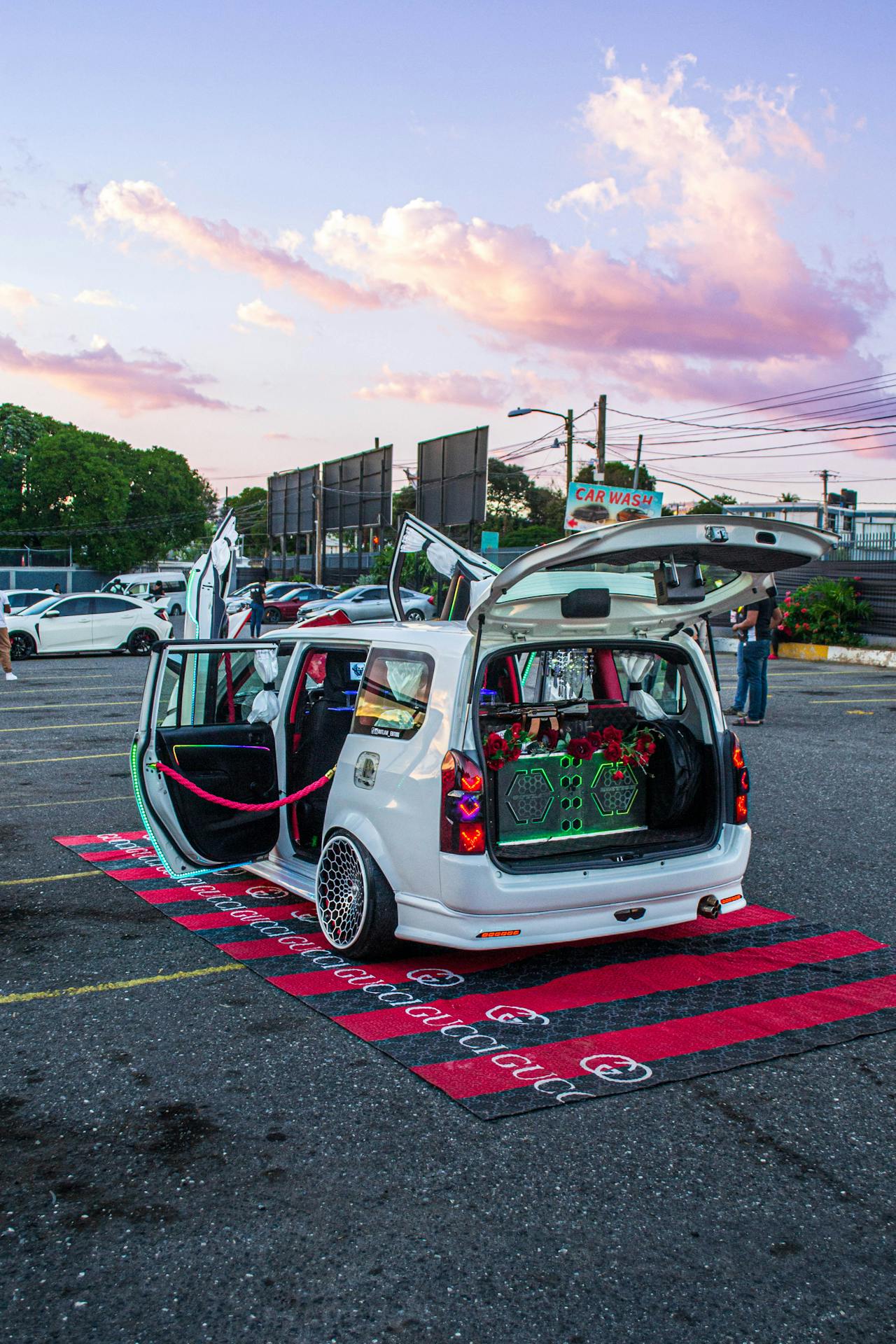
The concept of a separate loudspeaker for low frequencies began to take shape in the 1960s, driven by the limitations of conventional speakers. The first patented low-frequency speaker enclosure, an early blueprint for the modern subwoofer, was created by Raymon Dones in 1964 and dubbed "The Octavium," designed to reproduce frequencies as low as 15 Hz. The 1970s marked the subwoofer’s rise to prominence in professional settings, notably in cinema with the introduction of the Sensurround sound system for films like Earthquake (1974), which used massive subwoofers to create physical, low-frequency rumbling effects. This commercial success, alongside the growing use of low-frequency effects in disco and hip-hop music, cemented the technology's reputation for deep, powerful bass and paved the way for its later adoption in home and car audio.
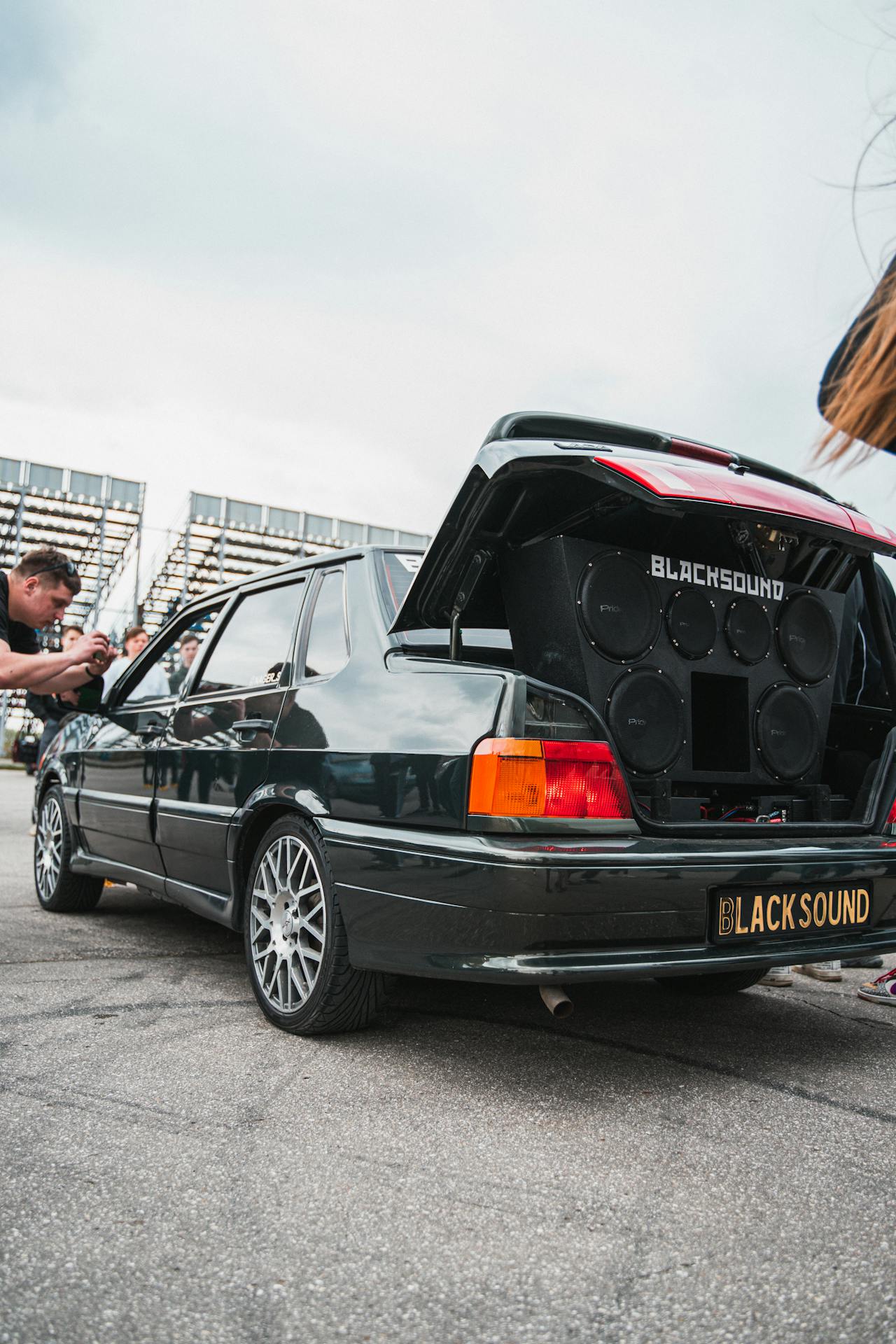
In the world of car audio, the subwoofer emerged as a key component during the aftermarket explosion of the 1980s and 1990s. Vehicle audio had evolved from basic, single-speaker AM radios in the 1930s to the introduction of FM and 8-track/cassette stereo systems in the 1960s and 70s. However, the cramped and acoustically challenging car cabin made it difficult for small stock speakers to reproduce deep bass. This created a massive market for powerful aftermarket components. Brands developed specialized subwoofers and amplifiers, and car audio quickly grew into a competitive culture with SPL (sound pressure level) competitions. The goal in this era was often maximum volume and bass impact—judged by how much a system could rattle a car—before the focus shifted toward precision, clarity, and more efficient, digitally-tuned designs in the 21st century.